 Save to Pinterest
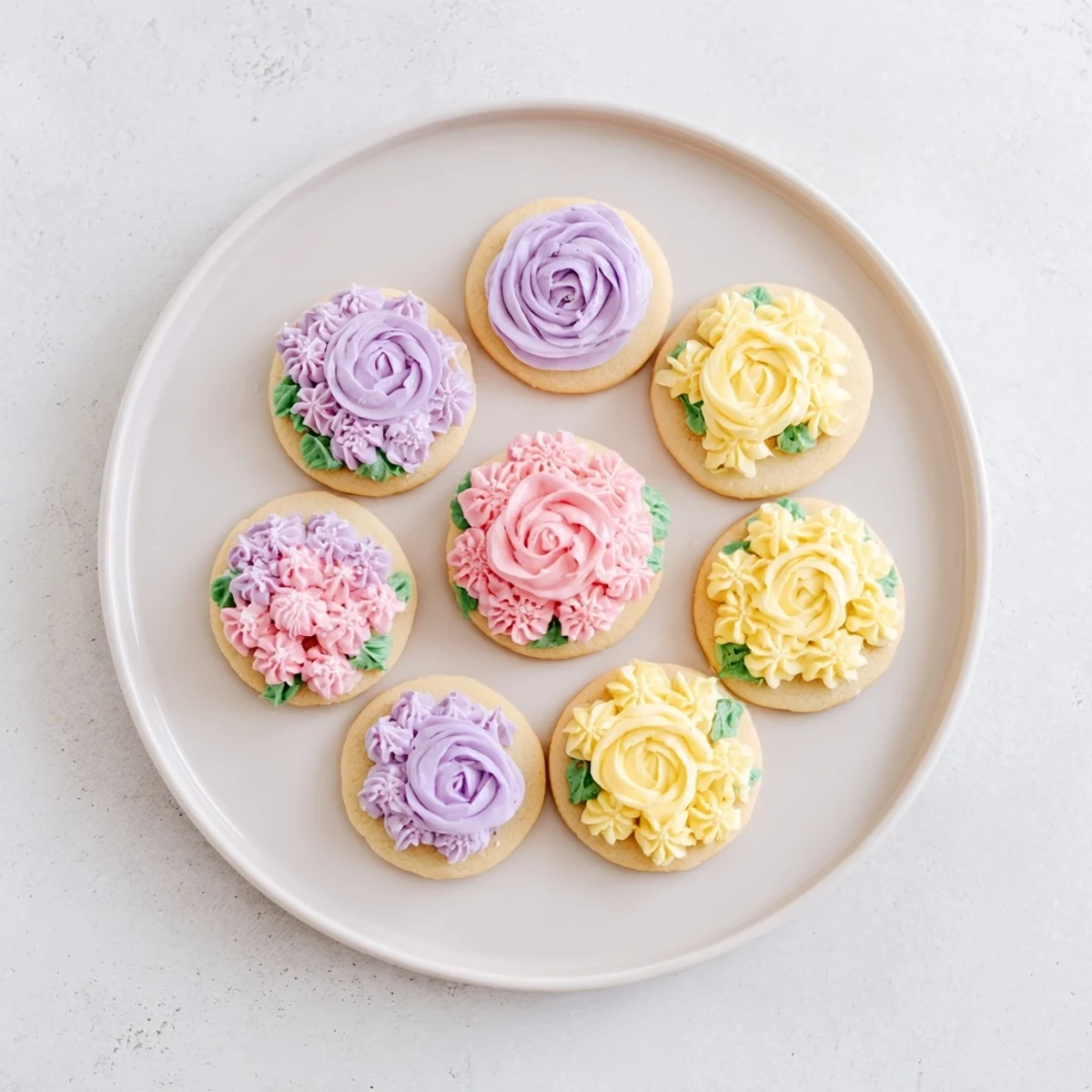
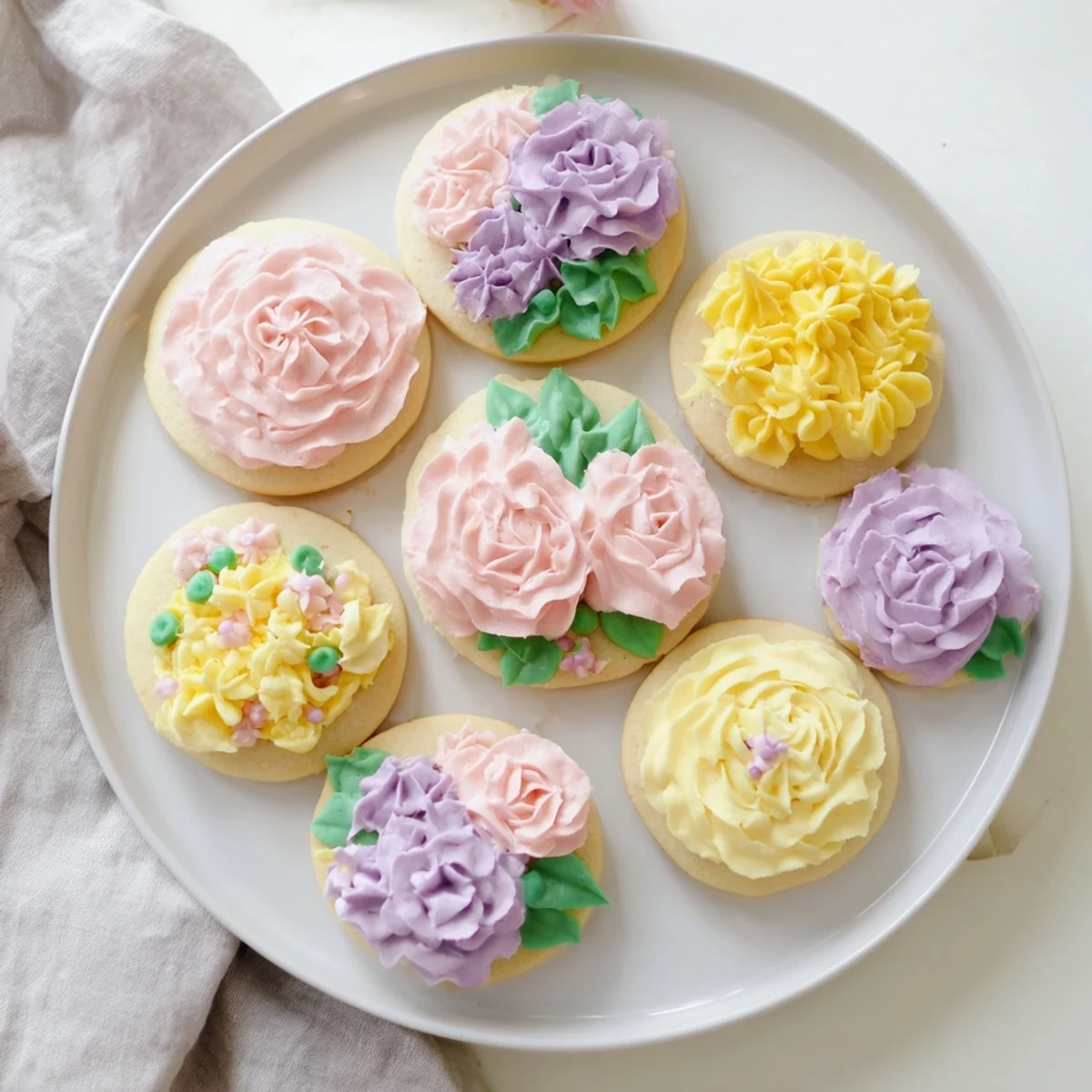
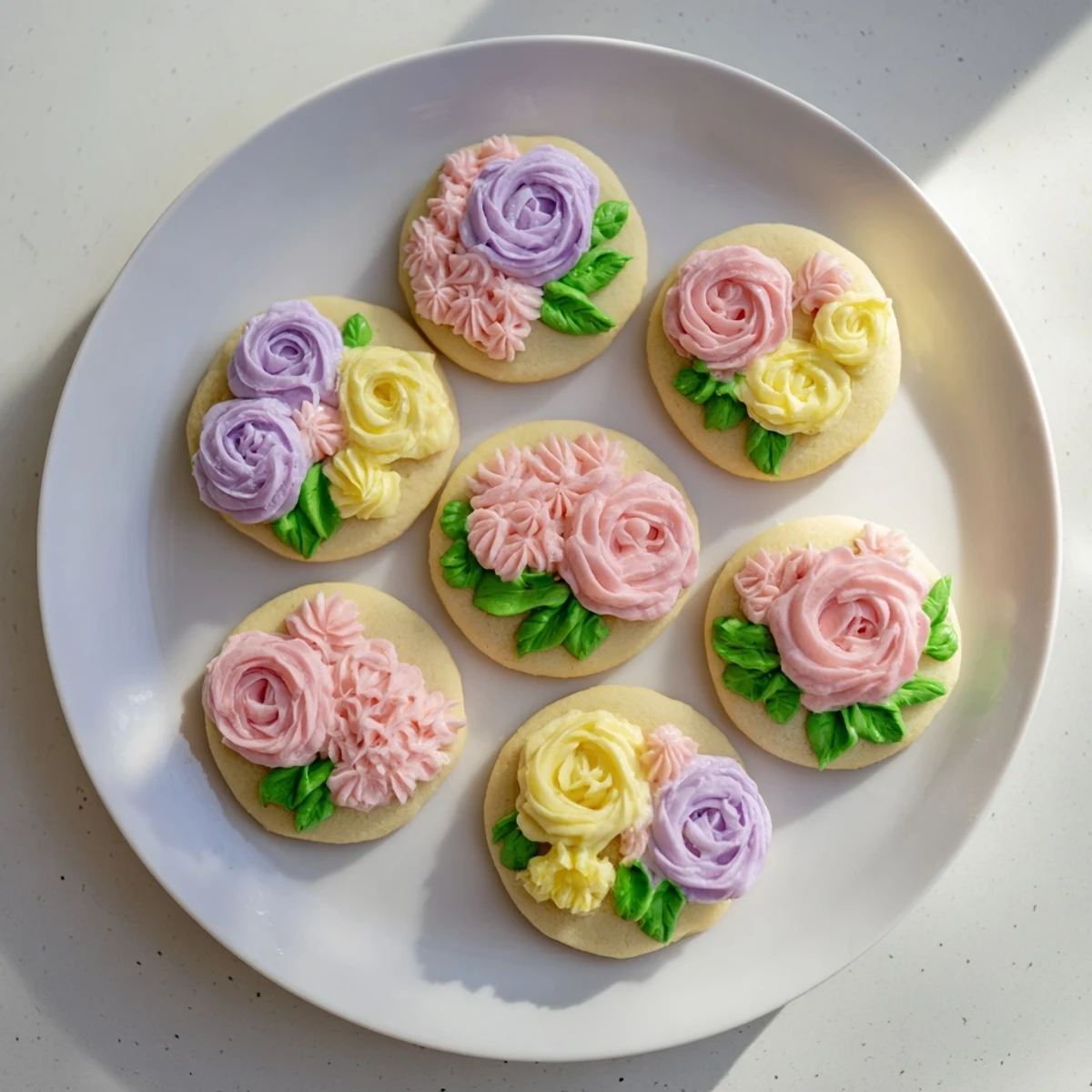
 These delicate sugar cookies feature beautifully piped buttercream flowers that transform simple treats into edible art. The process starts with a classic vanilla sugar cookie dough that bakes up tender with just-browned edges. Once cooled, each cookie becomes a canvas for buttercream blossoms in any colors you desire. The secret lies in achieving the right piping consistency—firm enough to hold detailed shapes but smooth enough to pipe effortlessly. Using various decorative tips creates realistic petals, centers, and leaves that make each cookie unique. While the technique requires some practice, the results are impressive enough for weddings, showers, or any celebration demanding something extraordinary.
The first time I attempted buttercream flowers, I ended up with what looked like colorful wilted cabbage on perfectly good sugar cookies. My niece took one bite and declared them beautiful anyway, which somehow made those lumpy blossoms worth every minute of frustration. That afternoon taught me that piping flowers is less about perfection and more about patience—and having the right buttercream consistency makes all the difference between disaster and delight.
Last spring, I made three dozen of these for my daughters tea party birthday. The girls sat around the table pointing out which flower was their favorite, and I watched my usually picky eater carefully choose a pink rose cookie as if selecting a precious jewel. Those cookies disappeared faster than anything else on the table, and I realized then that food which looks like a tiny garden has a magic all its own.
Ingredients
- All-purpose flour: The structure behind these delicate cookies—too little and they spread, too much and they become tough. Measure by weight if you can for consistent results.
- Unsalted butter: Use this at cool room temperature, about 65°F. Cold butter creates pockets in your dough, while melted butter makes flat cookies that spread too much.
- Confectioners sugar: Sift this twice. I learned the hard way that lumps in powdered sugar clog piping tips and turn smooth buttercream into grainy frustration.
- Food coloring gels: Liquid coloring will ruin your buttercream consistency. Gels are concentrated, so start with a tiny amount on a toothpick and build from there.
Instructions
- Get your oven ready:
- Preheat to 350°F and line two baking sheets with parchment paper. I sometimes forget this step until my dough is already rolled out, so do yourself a favor and prep first.
- Whisk the dry ingredients:
- In a medium bowl, combine flour, baking powder, and salt. This simple step ensures everything is evenly distributed before it meets the butter.
- Cream butter and sugar:
- Beat together for 2 to 3 minutes until the mixture looks pale and fluffy. This step is what gives your cookies their tender texture, so do not rush it.
- Add the egg and vanilla:
- Beat until fully incorporated. Scrape down the sides of the bowl to catch any pockets of butter that escaped the mixer.
- Combine wet and dry:
- Gradually add the flour mixture, mixing just until a dough forms. Overmixing develops too much gluten, which makes cookies tough instead of tender.
- Chill the dough:
- Divide in half, flatten into disks, wrap, and refrigerate for 30 minutes. Cold dough holds its shape better and bakes into cookies with crisp edges.
- Roll and cut:
- On a floured surface, roll dough to 1/4 inch thickness. Cut with round or flower shaped cutters and place 2 inches apart on prepared sheets.
- Bake to golden perfection:
- Bake for 10 to 12 minutes until edges just begin to turn golden. Let them cool on the sheet for 5 minutes before moving them to a wire rack.
- Make the buttercream:
- Beat butter until smooth, then gradually add sifted confectioners sugar. Add milk, vanilla, and salt, then beat for 2 to 3 minutes until fluffy.
- Color and pipe flowers:
- Divide buttercream into bowls and tint with gel colors. Fit piping bags with star and petal tips, then practice your flowers on parchment before decorating the cookies.
 Save to Pinterest
 My mother keeps a small tin of these cookies on her counter whenever I visit, carefully arranged like a tiny garden she cannot bear to disturb. She swears the pink roses taste better than the yellow daisies, though I suspect it is just because pink was always her color. These cookies have become our love language in sugar and butter.
Mastering Flower Piping
The secret to pretty flowers is pressure control—steady, even pressure as you squeeze the bag, then release as you pull away. I hold my piping bag at a 45 degree angle and count seconds in my head to keep each petal consistent. Some days my roses look elegant, and other times they look like tiny explosions, but my family eats them either way.
Making Ahead
You can bake the cookies up to a week ahead and store them in an airtight container. I actually prefer decorating them the day before serving because the buttercream has time to firm up slightly, which makes transporting them much less stressful. Just keep them away from direct sunlight or the buttercream will start drooping like actual flowers in the heat.
Serving Suggestions
These cookies shine on dessert tables alongside fresh fruit or tarts. I have served them at baby showers, wedding receptions, and quiet afternoon teas, and they always draw people in with their colorful charm. Something about edible flowers makes even the most casual gathering feel special.
- Pair with Earl Grey tea or sparkling wine for a sophisticated touch
- Stack them in clear boxes tied with ribbon for gifts that look professionally done
- Set up a decorating station at parties and let guests pipe their own simple flowers
 Save to Pinterest
 There is something deeply satisfying about creating beauty you can eat, and these cookies remind me that the best things in life are meant to be shared, not just admired from afar.
Recipe FAQs
- → What piping tips work best for flower cookies?
-
Small star tips (like #16 or #21) create rose centers and ruffle flowers, while petal tips (#101-#104) form delicate petals. Leaf tips (#352) add realistic greenery. Start with these basics before expanding your collection.
- → How far ahead can I make these?
-
Bake and freeze undecorated cookies for up to 2 months. Decorate with buttercream within 2-3 days of serving, as the frosting maintains optimal texture. Once decorated, store at room temperature for 1-2 days in an airtight container.
- → Why use gel food coloring instead of liquid?
-
Gel coloring delivers vibrant hues without thinning your buttercream. Liquid food coloring adds unwanted moisture that can make piping difficult and cause flowers to lose their shape. Gel also requires less product for intense colors.
- → Can I use store-bought cookie dough?
-
While possible, homemade dough produces superior results. Store-bought varieties spread more during baking and may not hold the intricate flower piping as well. The tender texture of homemade cookies also complements the rich buttercream perfectly.
- → How do I achieve the right piping consistency?
-
The buttercream should hold stiff peaks but still pipe smoothly. If too thick, add milk one teaspoon at a time. If too thin, beat in additional sifted confectioners sugar. Test consistency by piping a flower onto parchment before decorating your cookies.