 Save to Pinterest
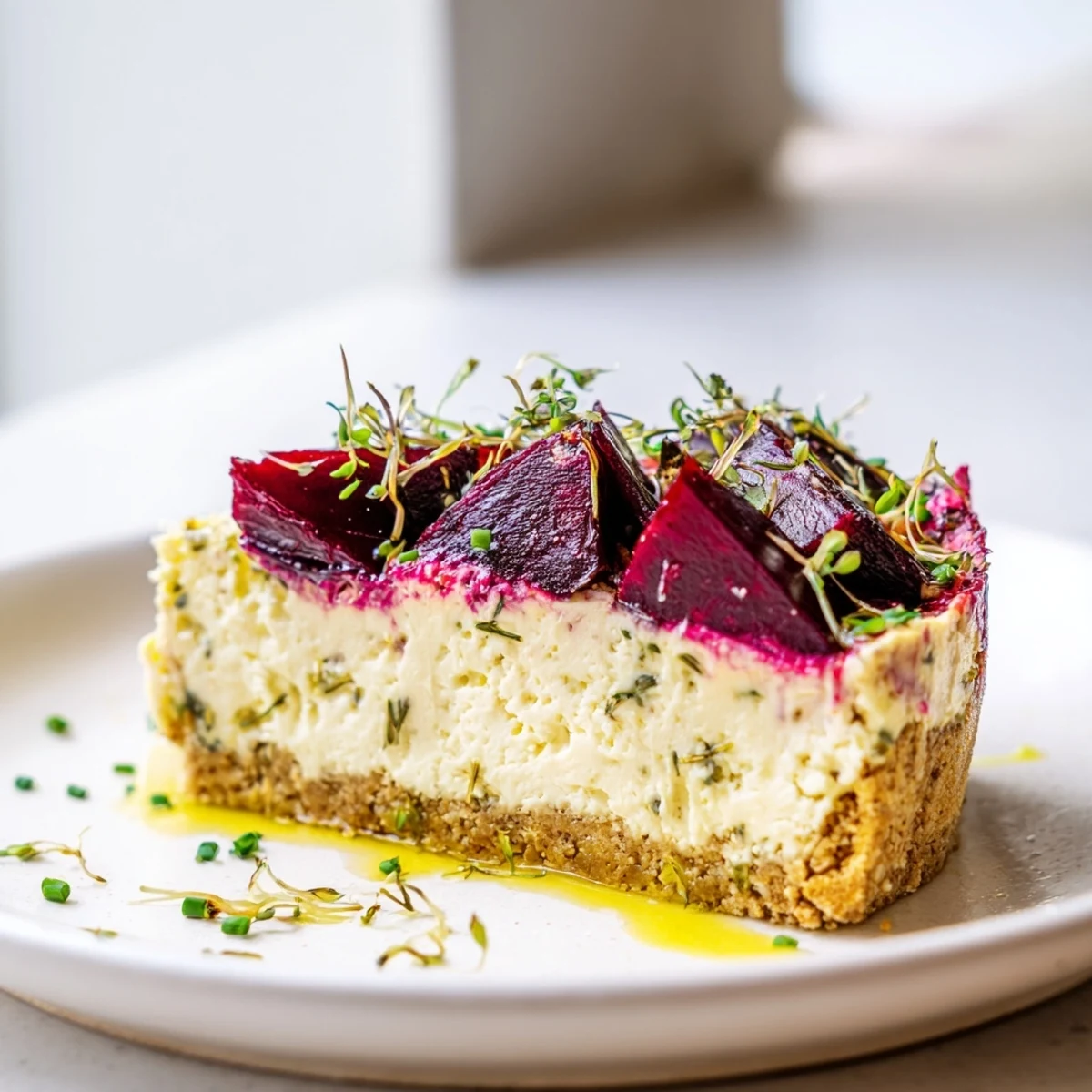
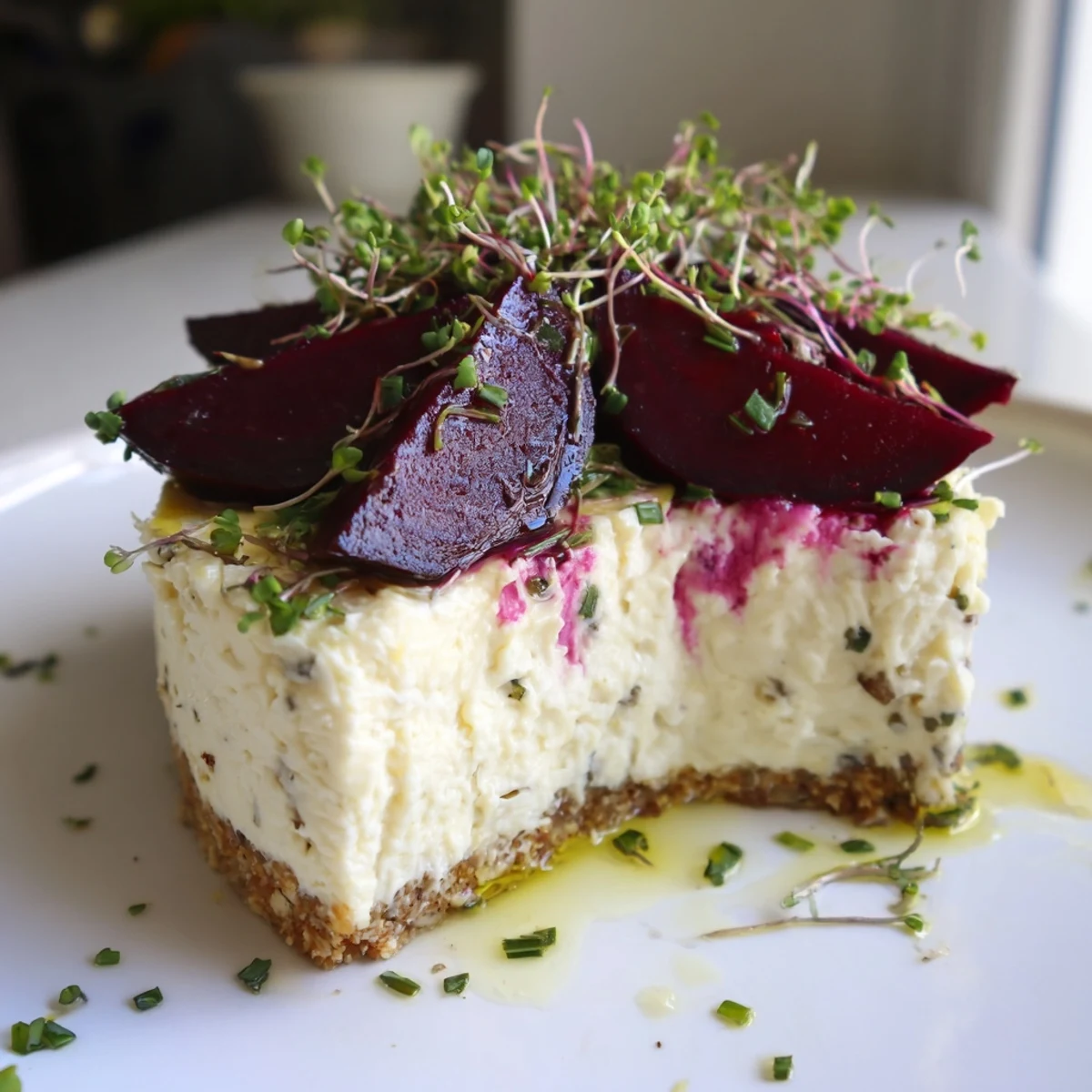
 This impressive savoury cheesecake combines a rich blend of cream cheese, ricotta, and aged cheddar over a buttery wholemeal cracker crust. The creamy texture balances beautifully with sweet, balsamic-roasted beetroot wedges, while fresh thyme and lemon zest brighten each bite.
Perfect for entertaining, this make-ahead dish serves six and works equally well as a sophisticated starter or light main course. The cheesecake requires chilling time for best results, allowing flavors to meld and the texture to set properly.
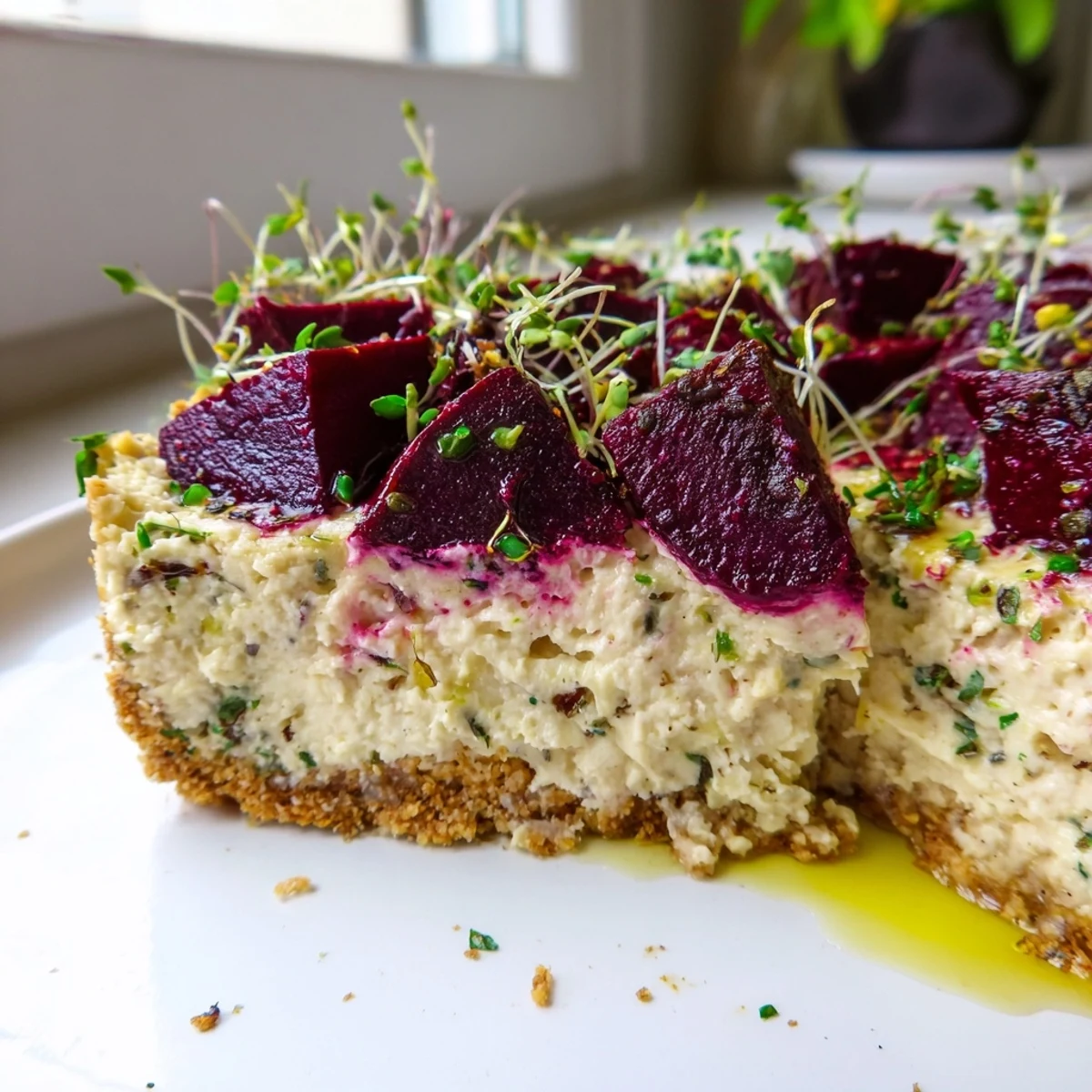
Roasting the beetroot enhances their natural sweetness and creates a lovely contrast against the tangy, savory filling. Fresh chives, microgreens, and a final drizzle of olive oil add color and freshness to complete this stunning presentation.
The first time I served this at a dinner party, my guests gave me the most confused looks when I announced "cheesecake" after the main course. Then I set it down and watched their expressions shift from puzzled to delighted as the vibrant roasted beets caught the light. Now it is the appetizer everyone actually requests.
I started making this when I had too much ricotta left over from another recipe and now it has become my go to for bringing something unexpected to gatherings. The way the lemon zest cuts through the rich filling while the beets add their natural sweetness just works every single time.
Ingredients
- Wholemeal crackers: They give the crust a nutty depth that plain graham crackers lack
- Unsalted butter: Let it melt naturally so it mixes evenly into the crumbs
- Cream cheese: Absolutely must be room temperature or you will get lumps
- Ricotta: This is what makes the filling lighter than a traditional cheesecake
- Mature cheddar or Gruyère: The sharpness here balances everything beautifully
- Fresh thyme: Do not use dried, the fresh leaves add little bursts of flavor
- Lemon zest: This brightens the whole dish and cuts through the richness
- Beetroots: Look for firm ones without too many blemishes
- Balsamic vinegar: This is the secret to making roasted beets taste extraordinary
Instructions
- Build the foundation:
- Press those buttery crumbs into your springform pan like you mean it. A firm base prevents the dreaded soggy bottom situation later.
- Blend the filling:
- Take your time beating the cheeses until they are silky smooth. This is not the step to rush through.
- Add the eggs gently:
- One at a time, let each incorporate fully before adding the next. Overworking the eggs here can make the cheesecake puff up too much.
- Bake with patience:
- That slight wobble in the center is your friend. It will finish setting as it cools.
- Roast the beets:
- Let them get a little charred around the edges. Those caramelized bits are pure gold.
- Assemble with care:
- Arrange the beets on top like you are painting something. It deserves the attention.
 Save to Pinterest
 My sister who swore she hated beets tried this and went back for seconds. That is when I knew this recipe was a keeper worth sharing.
Make It Your Own
Goat cheese instead of the cheddar creates an even tangier version that I love in summer. A swirl of caramelized onions into the filling before baking adds another layer of savory sweetness that works surprisingly well.
Serving Suggestions
This needs something crisp and bright alongside. A simple green salad with an acidic vinaigrette cuts through the richness perfectly. I also love serving it with thinly sliced baguette rounds for spreading.
Timing Is Everything
The beetroot can roast while the cheesecake bakes, which saves time. Just remember to adjust the oven temperature accordingly.
- Make the crust a day ahead and keep it wrapped at room temperature
- The assembled cheesecake actually tastes better the next day
- Roast extra beets and keep them for salads during the week
 Save to Pinterest
 There is something deeply satisfying about serving a dish that makes people pause and ask questions. This is that kind of recipe.
Recipe FAQs
- → Can I make this cheesecake ahead of time?
-
Yes, this cheesecake actually benefits from being made ahead. It needs to chill for at least 2 hours, but preferably overnight. The flavors develop and the texture improves with time. Store in the refrigerator, well-covered, for up to 3 days before serving.
- → What can I substitute for the crackers in the crust?
-
You can use gluten-free crackers for a GF version, or try crushed pretzels for extra saltiness. Panko breadcrumbs mixed with melted butter also work well. For a nutty alternative, crushed hazelnuts or walnuts combined with some breadcrumbs create an interesting variation.
- → Can I use different cheeses in the filling?
-
Absolutely. While cheddar or Gruyère provide excellent flavor, you could use goat cheese for a tangier profile, or try Parmesan for a sharper taste. Blue cheese crumbles would add a bold, salty element. Just keep the total cheese quantity similar for proper texture.
- → Why is my cheesecake cracking on top?
-
Cracks usually occur from overbaking or cooling too quickly. The center should still have a slight wobble when you remove it from the oven. Let it cool gradually in the oven with the door slightly ajar, or at room temperature before refrigerating. A water bath can also help prevent cracking.
- → What other vegetables work well as toppings?
-
Roasted red peppers, caramelized onions, or roasted tomatoes make excellent alternatives. Grilled asparagus spears or sautéed mushrooms also complement the creamy filling beautifully. Choose vegetables that roast well and have concentrated flavors to stand up to the rich cheesecake base.